People
Everyone the stories talk about, A to Z.
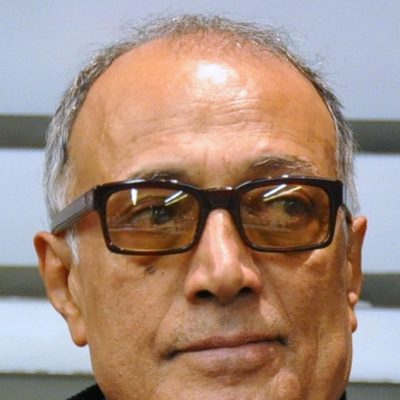
Abbas Kiarostami
The Iranian filmmaker and poet who wanted an unfinished cinema, one each viewer completes in their own way.

Albert Mehrabian
The UCLA psychologist, born in Iran, who found that a color’s brightness moves us more than its hue.
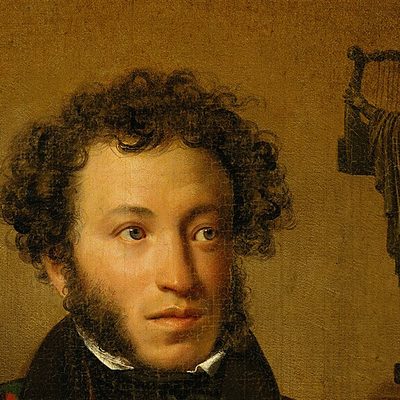
Alexander Pushkin
The poet many Russians call their greatest; his Eugene Onegin is a whole novel written in verse.
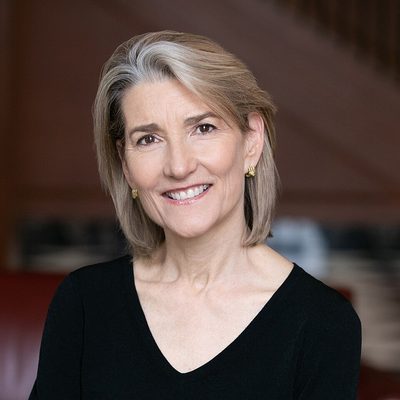
Amy Edmondson
The Harvard Business School professor who studies why some teams feel safe enough to ask and admit mistakes.
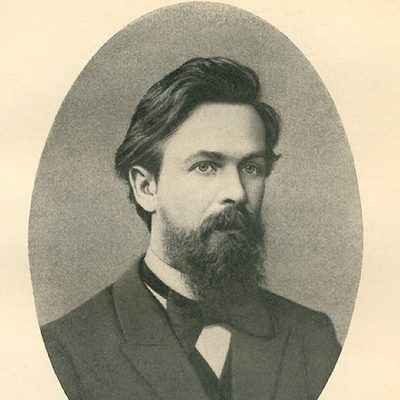
Andrey Markov
The Russian mathematician who counted the vowels in Pushkin by hand and gave his name to the Markov chain.
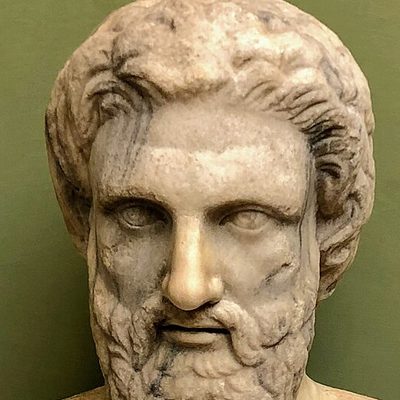
Aristophanes
Athens’ great comic playwright; 11 of his 40 plays survive, among them The Clouds, which mocked Socrates.
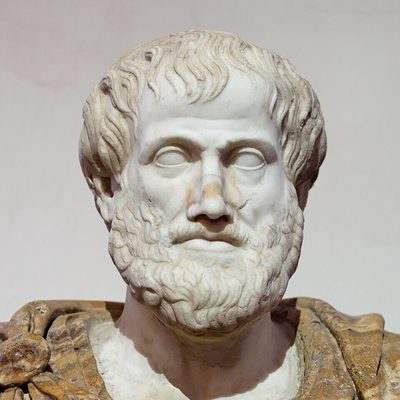
Aristotle
Plato's student and Alexander's tutor, who wrote on almost everything and said philosophy begins in wonder.
Barbara Tizard
The London psychologist who taped four-year-olds at home and at nursery, and heard far more questions at home.
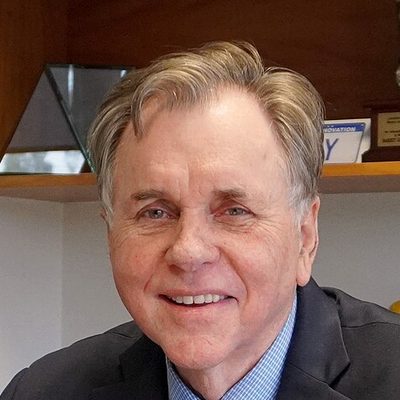
Barry Marshall
The Australian doctor who drank a beaker of bacteria, then won a Nobel for tying ulcers to an infection.
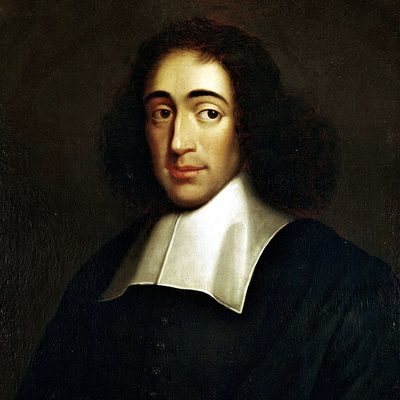
Baruch Spinoza
The Dutch philosopher who wrote his Ethics like geometry and defined hope and fear as tightly as a proof.
Betty Shannon
A Bell Labs mathematician who composed music with random numbers and was Claude Shannon’s closest collaborator.
Carles Casagemas
The Catalan painter and poet, Picasso’s close friend, whose suicide at 20 left Picasso painting in blue.
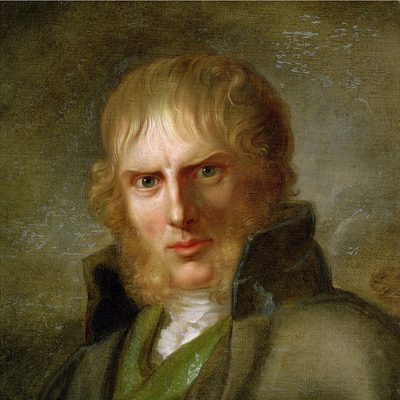
Caspar David Friedrich
The German Romantic who painted people from behind, facing the sea and sky, so we stand where they stand.
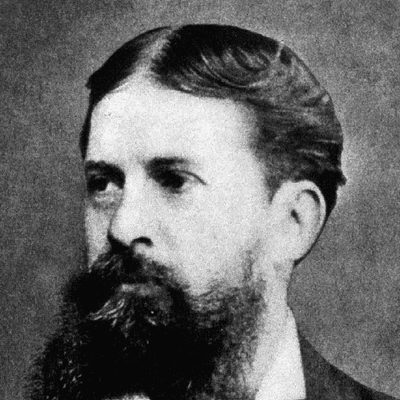
Charles Sanders Peirce
The American logician who founded pragmatism and called our struggle to get rid of doubt “inquiry.”
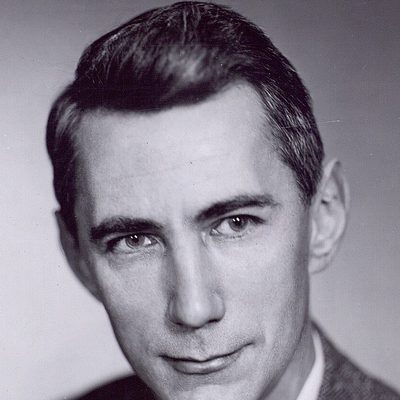
Claude Shannon
The Bell Labs mathematician who showed that information can be measured, one bit at a time.
Daniel Berlyne
The British-Canadian psychologist who asked what curiosity is, and how novelty and surprise stir it up.
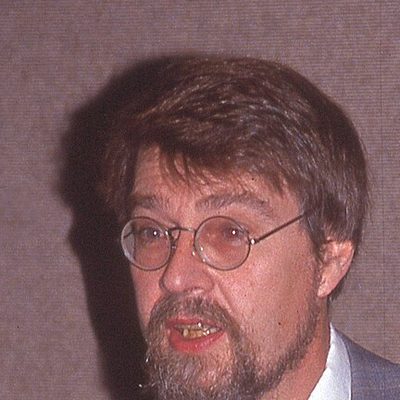
David Rumelhart
A psychologist who modeled the mind as networks of simple units and co-wrote the 1986 backpropagation paper.
Dorothy Cheney
The primatologist who, with Robert Seyfarth, played monkey calls from hidden speakers to learn what they mean.
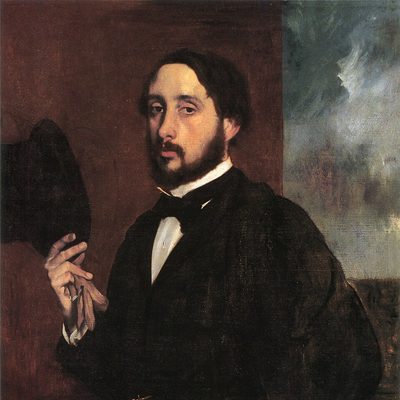
Edgar Degas
The French painter of dancers and Paris cafés whose L’Absinthe seats two people together whose eyes never meet.
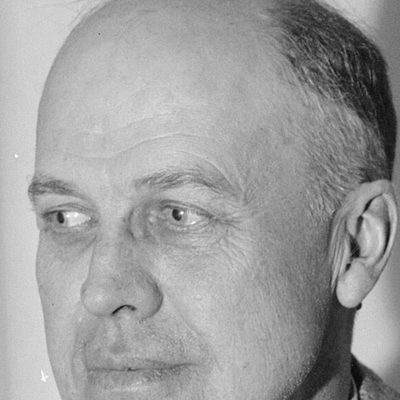
Edward Hopper
The American painter of diners and empty streets who said he didn’t see Nighthawks as especially lonely.
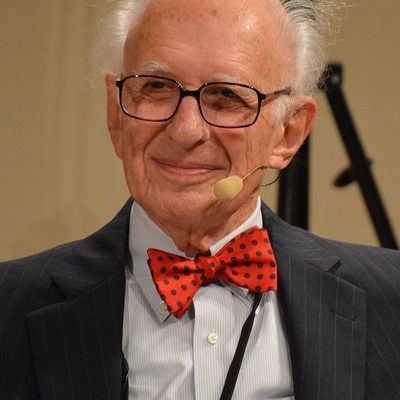
Eric Kandel
The Nobel-winning neuroscientist who found how neurons store memories, then turned to art and the brain.
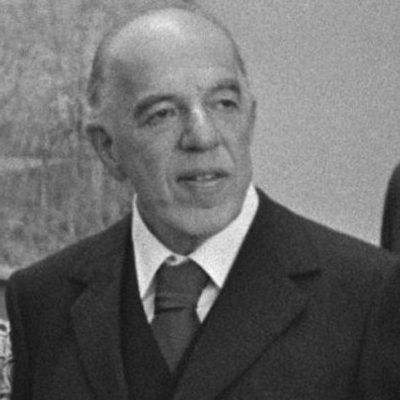
Ernst Gombrich
The art historian who wrote The Story of Art and showed how viewers finish what painters only hint at.
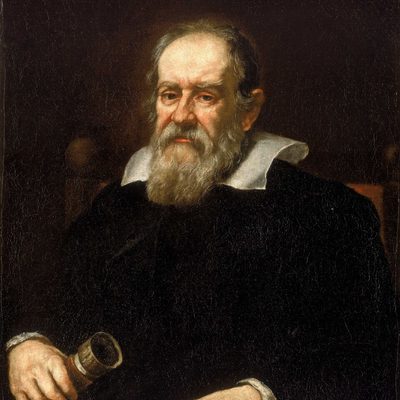
Galileo Galilei
Turned a telescope on the sky, found four moons around Jupiter, and was tried for saying the Earth moves.
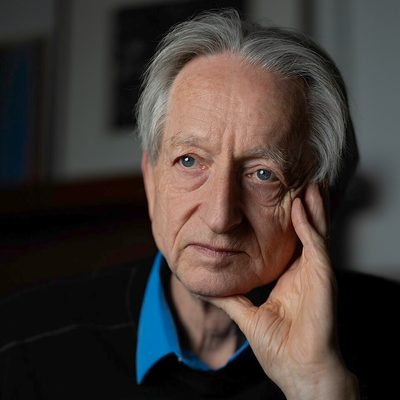
Geoffrey Hinton
The “godfather of AI”, who helped popularize backpropagation in 1986 and shared the 2024 Nobel Prize in Physics.
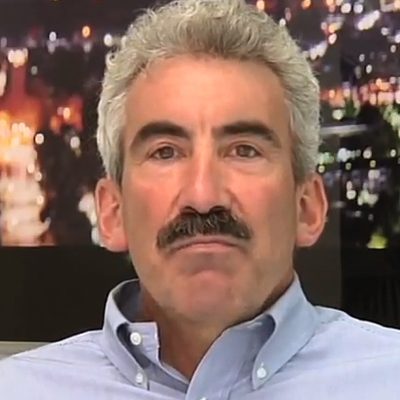
George Loewenstein
The Carnegie Mellon economist who described curiosity as a hunger for the gap in what you know.
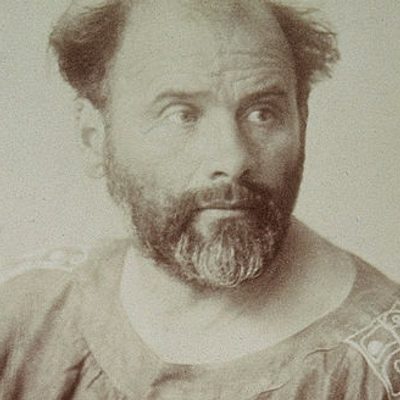
Gustav Klimt
The Austrian painter of gold and ornament who helped found the Vienna Secession and painted The Kiss.
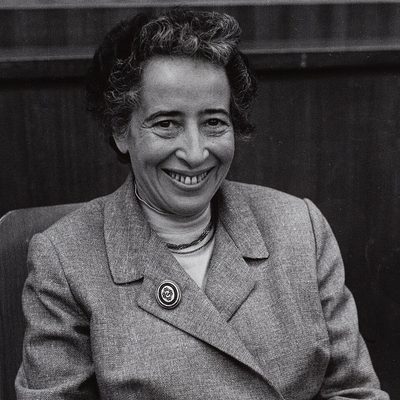
Hannah Arendt
The German-born thinker who fled the Nazis, wrote on totalitarianism and coined “the banality of evil.”
Hans-Georg Gadamer
The German philosopher who argued that understanding grows out of dialogue, and starts with a real, open question.
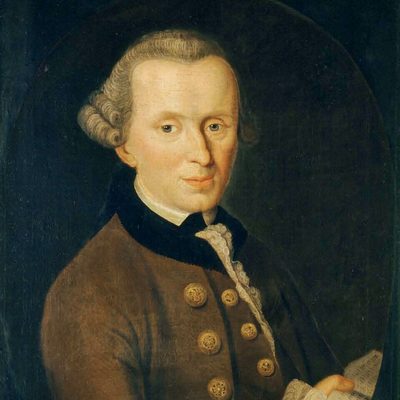
Immanuel Kant
The Königsberg philosopher who asked what we can know, and told his readers to dare to think for themselves.
Irene Pepperberg
The scientist who worked with Alex, an African grey parrot, for about 30 years to see how much a bird understands.
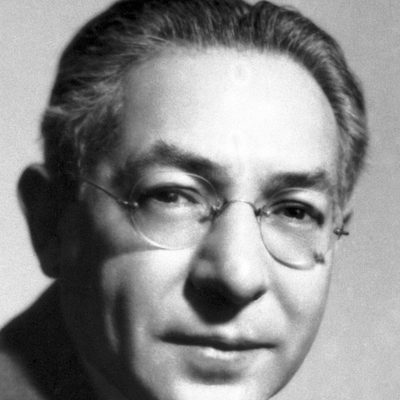
Isidor Rabi
The New York physicist who won the 1944 Nobel Prize for a way to measure the magnetism of atomic nuclei.
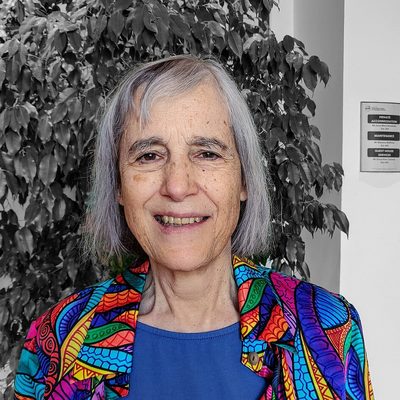
Jean Taylor
The American mathematician who proved in 1976 that soap films can only meet in the ways Plateau saw.
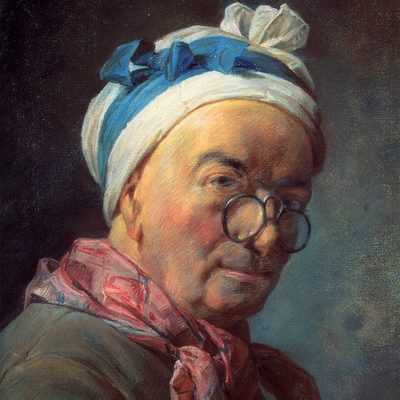
Jean-Siméon Chardin
The Paris painter of kitchen tables and children at play, who caught a soap bubble on canvas around 1733.
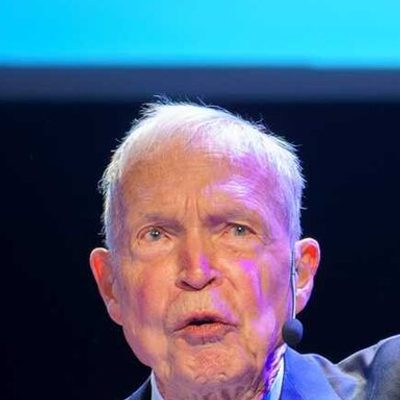
John Hopfield
The physicist whose 1982 network could remember patterns; he shared the 2024 Nobel Prize in Physics with Hinton.
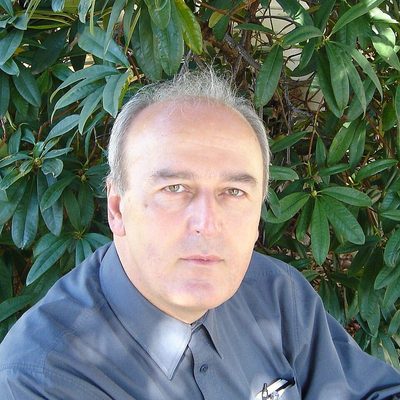
Joseph Jordania
The Georgian-Australian musicologist who looks for where choral singing, and the first questions, came from.
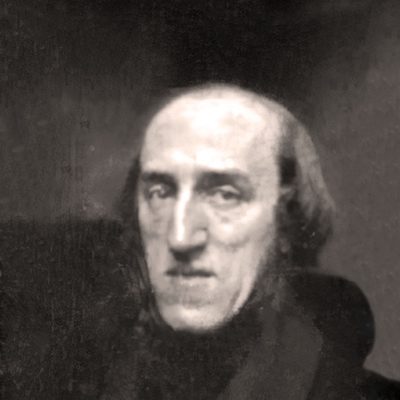
Joseph Plateau
The Belgian physicist behind an early moving-picture toy, who found the rules soap films obey after going blind.
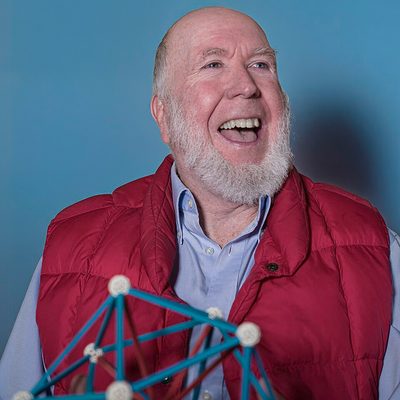
Kevin Kelly
Wired's founding executive editor, who has spent decades writing about where technology is taking us.
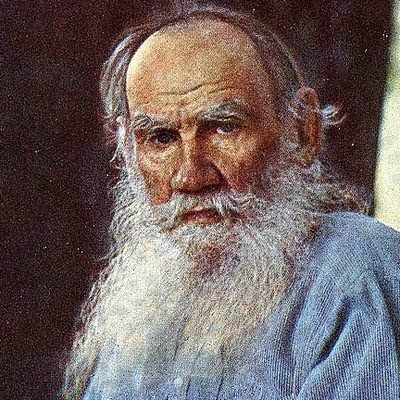
Leo Tolstoy
The Russian novelist of War and Peace, who argued that art is a feeling passed on until others catch it.
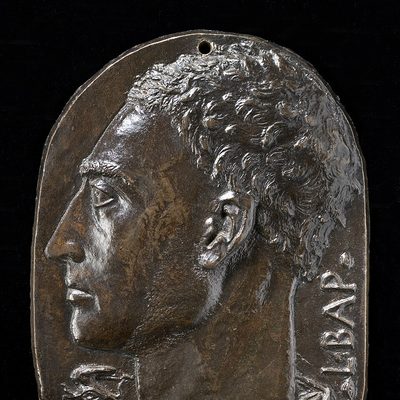
Leon Battista Alberti
The Renaissance architect whose treatise On Painting asked for a figure in the scene who shows us how to feel.
Melvin Kohn
The Johns Hopkins sociologist who found that what parents want from their children follows their own jobs.
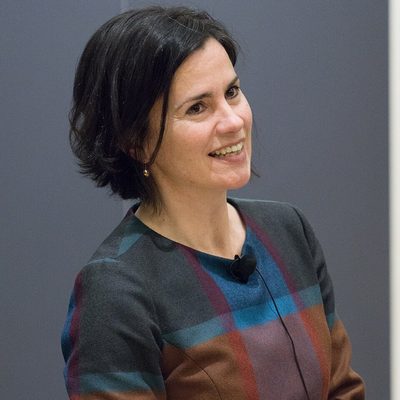
Miranda Fricker
The British philosopher who named epistemic injustice, being believed less because of who you are.
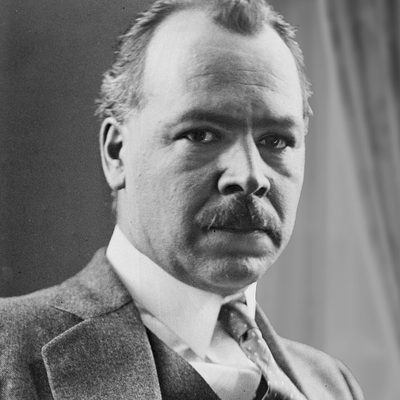
Nikolai Vavilov
The Soviet geneticist who traced where our crops were first grown, and died in prison after crossing Lysenko.
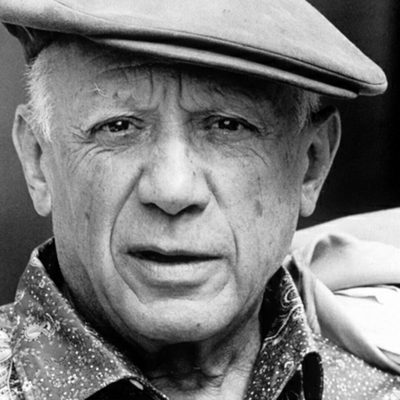
Pablo Picasso
The Spanish painter who co-founded Cubism, and who said he began painting in blue thinking of a friend’s death.
Paul Thagard
The Canadian philosopher who builds computer models of how scientists weigh explanations and change their minds.
Paul Tillich
The German-American theologian who said English has two words for being alone, for its pain and its glory.
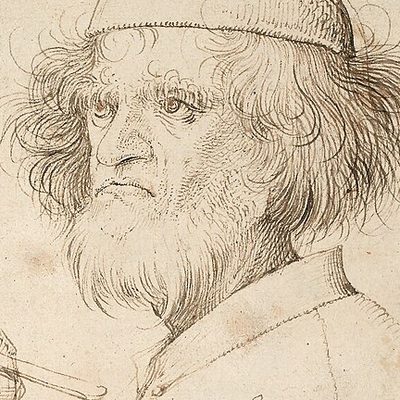
Pieter Bruegel the Elder
The Flemish painter of peasants and wide landscapes who hid the fall of Icarus in a corner of the sea.
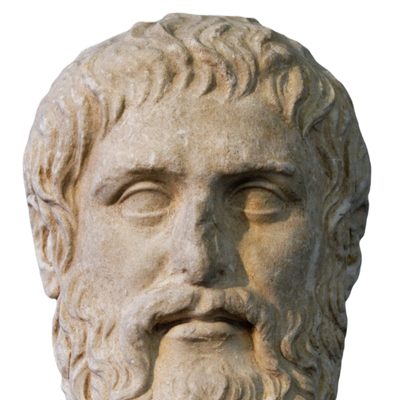
Plato
Socrates’ student, who put his teacher’s questions into dialogues and founded the Academy in Athens.
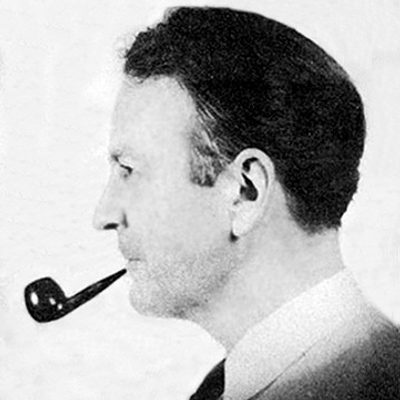
Raymond Chandler
Lost his oil job in the Depression, turned to crime fiction at 44 and created the detective Philip Marlowe.
Robert Seyfarth
The primatologist who spent 11 years with vervet monkeys in Kenya and showed their alarm calls name the danger.
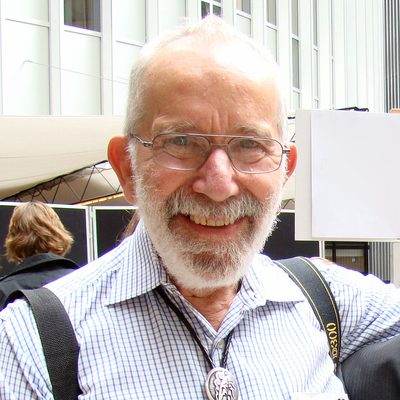
Robin Warren
The pathologist who kept finding spiral bacteria in stomach samples, where everyone said nothing could live.
Ronald J. Williams
A Northeastern University computer scientist, the third author of the 1986 Nature paper on backpropagation.
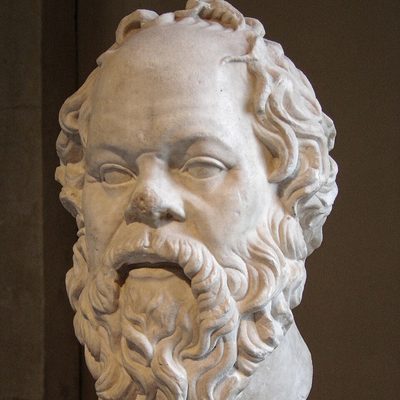
Socrates
The Athenian who never wrote a word, only asked questions, until the city sentenced him to death for them.
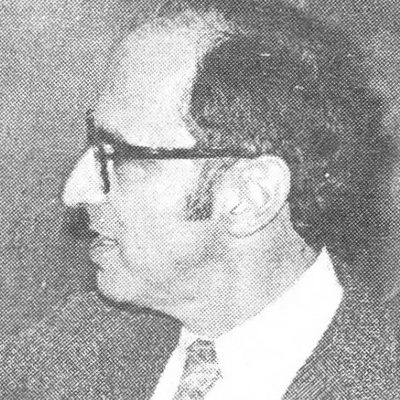
Thomas Kuhn
The historian of science whose 1962 book on scientific revolutions made “paradigm shift” an everyday phrase.
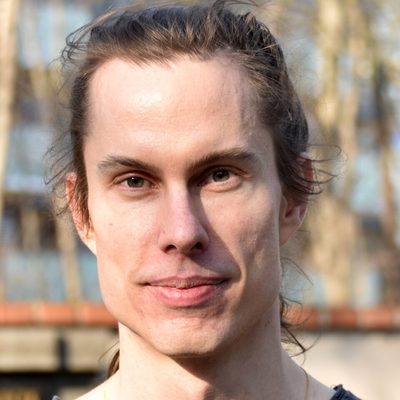
Tomáš Mikolov
The Czech computer scientist behind word2vec, who showed in 2013 that king minus man plus woman lands near queen.
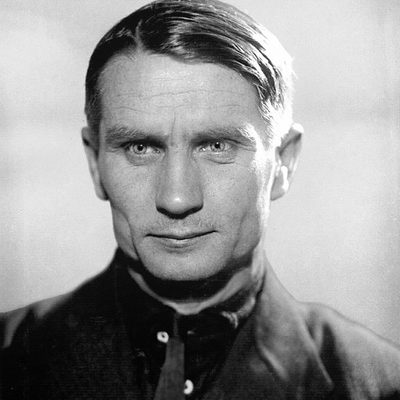
Trofim Lysenko
The Soviet agronomist whose pseudoscience, backed by Stalin, drove genetics out of Soviet biology for years.
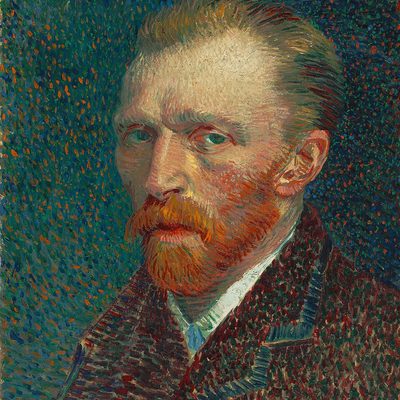
Vincent van Gogh
The Dutch painter of The Potato Eaters, who wrote to his brother Theo about what his paintings were for.
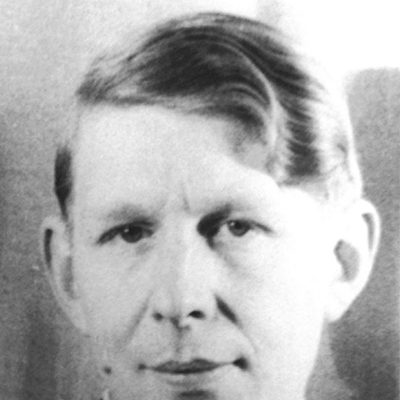
W. H. Auden
The British-American poet who saw Bruegel’s Icarus in Brussels and wrote about suffering nobody notices.
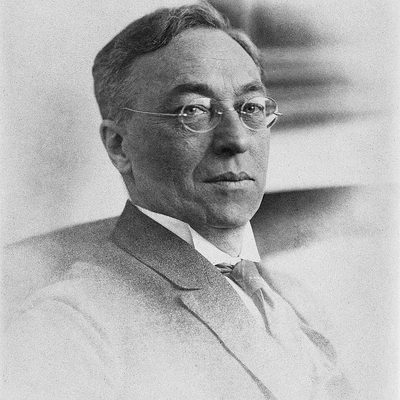
Wassily Kandinsky
The Russian pioneer of abstract painting who taught at the Bauhaus and was sure the triangle was yellow.